
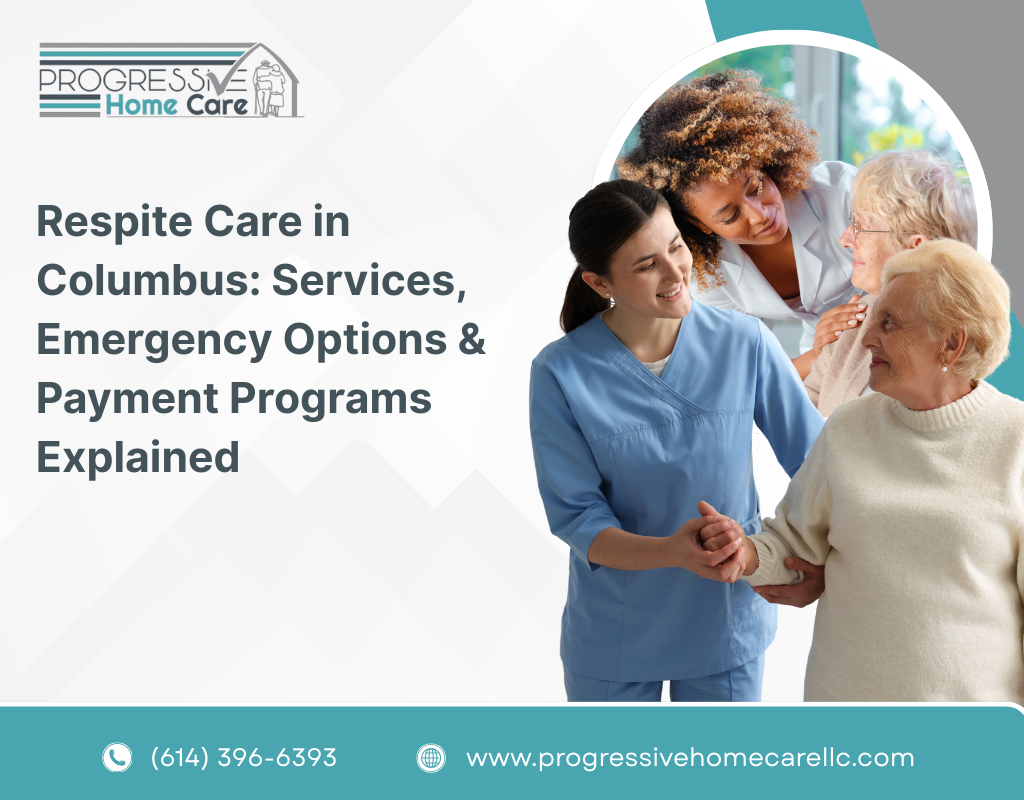
Here’s a quick look at how respite care supports caregivers and families across Columbus and Franklin County.
Respite care provides short-term support that allows caregivers to take needed breaks while ensuring loved ones remain safe and well cared for at home. Households in Columbus, Westerville, Worthington, and nearby communities rely on these services to manage daily responsibilities without compromising the quality of care.
What Respite Care Means for Columbus Families
This section explains why respite care is essential for long-term caregiving stability.
Respite care provides temporary, structured support that helps caregivers maintain balance in their daily lives. It ensures loved ones continue receiving reliable care when caregivers need time to rest, work, or handle personal tasks.
How Respite Care Helps:
- Supports routine care at home
- Prevents caregiver burnout
- Offers dependable coverage during absences
- Improves safety and comfort for loved ones
Understanding Respite Care Services
This section outlines the services included and how they meet different care needs.
Respite care varies depending on the individual’s health, mobility, and daily routine. This flexibility helps families choose the right type of support.
Common Services Provided:
- Personal care (bathing, dressing, hygiene)
- Homemaking and meal support
- Companionship and social engagement
- Skilled nursing care for medical needs
- Mobility, transfers, and safety supervision
Why Caregivers Across Franklin County Use Respite Care
Here, we discuss how respite care benefits both caregivers and care recipients.
Regular breaks help caregivers maintain emotional, physical, and mental well-being. When caregivers feel supported, the person receiving care also benefits from improved attention and stability.
Key Benefits:
- Reduces physical and emotional strain
- Supports consistent caregiving routines
- Helps caregivers manage employment and home responsibilities
- Enhances overall safety and comfort for loved ones
Challenges Families Face When Arranging Care
This section identifies issues that often lead families to seek respite support.
Finding dependable care can be difficult, especially when schedules change suddenly or care needs increase.
Common Issues in Columbus Homes:
- Caregiver exhaustion
- Limited weekend or evening support
- Gaps in backup care options
- Confusion about payment programs
- Difficulty balancing skilled vs. non-medical needs
How to Start Respite Care in Columbus
This section guides families through the steps to begin receiving care.
Setting up respite care involves choosing the proper care type and preparing essential information for caregivers.
Steps to Begin Care:
- Identify care needs – personal care, companionship, homemaking, or skilled nursing
- Choose skilled or non-medical services based on health needs.
- Plan for weekends, evenings, or emergencies
- Review PASSPORT, Medicaid, insurance, or private pay options.
- Contact Progressive Home Care to schedule care.
Useful Links:
- Skilled Nursing Care: https://www.progressivehomecarellc.com/skilled-services/skilled-nursing-care/
- Respite Care Services: https://www.progressivehomecarellc.com/non-skilled-non-medical-services/respite-care/
Types of Respite Care Available to Local Families
Here, we compare the different forms of respite care and who each serves best.
Families can choose from multiple care options based on their health needs and lifestyle.
Available Respite Care Options:
- In-home care: Supports daily routines in a familiar environment
- Skilled nursing respite: Licensed nurses manage clinical tasks
- Non-medical respite: Assists with daily living, meals, and mobility
- Same-day or emergency care: Covers unexpected caregiver absences
- Short-term or extended care: Hours, days, or multi-day support
Understanding Respite Care Costs in Columbus
This section explains the cost factors and available financial resources.
The cost of respite care varies based on the type and duration of services needed.
Cost Factors Include:
- Skilled vs. non-medical care
- Total care hours
- Weekend or holiday scheduling
- Emergency or short-notice requests
- PASSPORT or Medicaid eligibility
- Private pay agency rates
What Families Should Prepare Before Services Begin
This section helps families organize important details before care starts.
Preparation ensures caregivers follow routines accurately and safely.
Preparation Checklist:
- Updated medication list
- Physician notes (for skilled care)
- Daily routines and preferences
- Safety and mobility instructions
- Meal schedules and hydration needs
- Emergency contacts
- Home access information
Mistakes to Avoid When Setting Up Respite Care
This section highlights errors that can delay or disrupt care plans.
Clear communication and early planning help avoid unnecessary challenges.
Avoid These Issues:
- Waiting too long to request care
- Assuming insurance covers everything
- Not preparing written care instructions.
- Skipping caregiver qualification checks
- Forgetting to request weekend or emergency coverage
Situations Where Respite Care Becomes Essential
Examples demonstrate when Columbus families commonly rely on respite services.
Unplanned situations often make respite care essential for household stability.
Common Scenarios:
- A caregiver needs immediate coverage before work
- Families with rotating schedules require weekend help.
- A caregiver recovering from illness needs multi-day support.
Best Practices for Getting the Most Out of Respite Care
This section provides simple ways to maintain intense, reliable care routines.
Families benefit most when respite care is used proactively and consistently.
Recommended Practices:
- Use scheduled breaks regularly
- Share clear written instructions.
- Update care plans as needs change.
- Coordinate skilled and non-skilled care.
- Communicate expectations early
Local Resources for Respite Care in Columbus & Franklin County
This section connects families to local programs and service providers.
The Ohio PASSPORT Medicaid Waiver may cover some respite services for qualifying seniors.
Official Information:
https://aging.ohio.gov/wps/portal/gov/aging/care-and-living/paying-for-care/passport
Non-Skilled / Non-Medical Services: https://www.progressivehomecarellc.com/non-skilled-non-medical-services/
Frequently Asked Questions
What does in-home respite care include?
In-home respite care may involve personal care, meal support, mobility assistance, companionship, and housekeeping. Skilled nursing tasks may also be included when medically necessary. This helps maintain comfort and stability while caregivers take a break.
How can families access emergency respite care quickly?
Some Columbus agencies provide same-day or weekend services. Calling immediately and sharing care needs enables providers to quickly assign a caregiver. Early communication reduces delays during urgent situations.
Does PASSPORT or Medicaid help with respite care costs?
Yes, the Ohio PASSPORT Medicaid Waiver may cover certain services for eligible seniors. Benefits depend on an assessment and the individual’s care requirements. Families should verify coverage with a coordinator or through the Ohio Department of Aging.
How long does respite care usually last?
Respite care can last a few hours, overnight, or several days, depending on the care plan. Short-term visits help caregivers take routine breaks, while extended support assists during travel or recovery periods. Columbus agencies typically offer flexible scheduling.
Get Local Respite Care Support in Columbus
To schedule respite care or learn more about available services, contact Progressive Home Care at (614)-396-6393 or visit: https://www.progressivehomecarellc.com/contact-us/